Source Natural Scented Shimmering Body Butter for Spa, Retail, and Gifting
Explore 30 listings for natural scented shimmering body butter suitable for spa treatments, retail packaging, and corporate gifting. Compare OEM/ODM options, ingredient profiles like herbal extracts, and packaging formats including jars and bottles to find the right supplier.
Key considerations
Products List


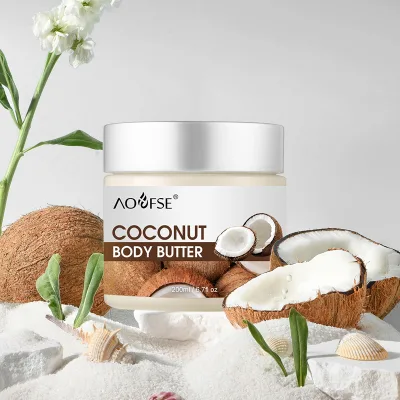


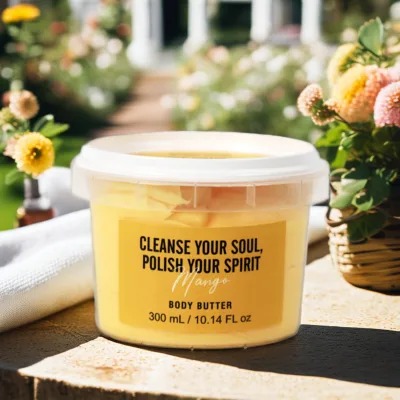


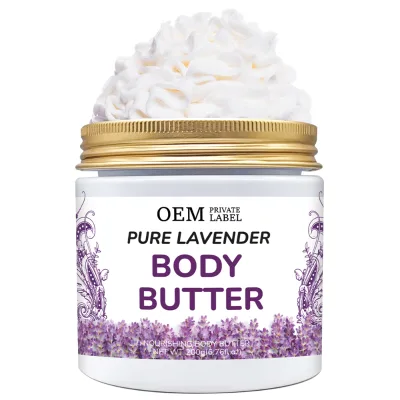


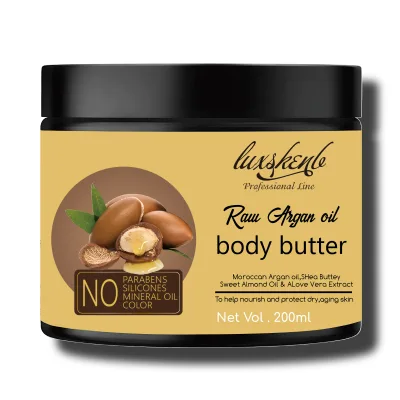


Comprehensive Sourcing Guide
Natural Scented Shimmering Body Butter Sourcing Guide
Sourcing natural scented shimmering body butter requires a nuanced understanding of the intersection between cosmetic formulation, supply chain logistics, and regulatory compliance. This category of personal care product is characterized by its dual function as a moisturizer and a sensory experience, often leveraging essential oils, herbal extracts, and light-reflecting particles to create a luxurious finish. Buyers must navigate a market where "natural" and "organic" claims are heavily scrutinized, requiring rigorous verification of ingredient sourcing and processing methods. The procurement process is not merely about selecting a scent profile but involves aligning with suppliers who can consistently deliver high-quality emulsions that maintain stability, texture, and aesthetic appeal over time.
The global demand for body butters has expanded beyond basic moisturization to include skin revitalization, nourishing properties, and specific skin type targeting. Suppliers often offer OEM and ODM services, allowing brands to customize formulations with unique ingredients such as vitamin C, coconut extracts, or lavender essences. However, the presence of shimmering agents and specific fragrance profiles introduces additional complexity in terms of ingredient compatibility and shelf-life stability. Procurement teams must therefore prioritize suppliers who demonstrate technical expertise in formulating stable, multi-phase products that meet both consumer expectations for efficacy and regulatory standards for safety and labeling accuracy.
Product Scope and Observed Listing Signals
The observed market signals indicate a diverse range of product attributes, with formulations varying significantly in base ingredients, packaging, and target demographics. Listings reveal products ranging from 180ml to 220ml volumes, packaged in jars or bottles, with specific models such as BL-01 and BBL-01 indicating distinct formulation lines. Some products are explicitly labeled for baby skin care, featuring fragrance-free options and nature extracts, while others target adults with rich, nourishing profiles containing chemical ingredients, herbal extracts, or organic components. This variance suggests that buyers must clearly define their target audience and product positioning early in the sourcing process to avoid mismatches in formulation strength, scent intensity, or ingredient safety profiles.
Further analysis of listing signals highlights the importance of customization and branding capabilities. Many suppliers offer private label services, allowing for custom logos, specific scent profiles like coconut or lavender, and tailored packaging solutions. The observed price range of $0.23 to $4.00 USD reflects significant variation in ingredient quality, packaging sophistication, and order volume. Minimum Order Quantities (MOQs) range from 48 to 20,000 pieces, indicating that smaller brands may need to negotiate flexible terms or accept higher per-unit costs, while larger enterprises can leverage economies of scale. Buyers should carefully evaluate these signals to determine which suppliers align with their volume requirements and brand identity, ensuring that the observed product attributes match their intended market positioning.
Technical Specifications to Verify
Verifying technical specifications is critical to ensuring product consistency and consumer satisfaction. Key parameters include the product form, which can range from creams to lotions, and the specific volume or weight, such as 200g or 180ml, which must align with packaging standards and consumer expectations. Buyers should request detailed formulation sheets that outline the exact percentage of active ingredients, such as herbal extracts, vitamin C, or coconut oil, to ensure that the product delivers on its claimed benefits. Additionally, the stability of the shimmering agents and fragrance components must be verified to prevent separation, settling, or scent degradation over the product’s shelf life, which is typically cited as three years in some listings.
Packaging and physical attributes also require close scrutiny. The choice between jar and bottle packaging impacts user experience, hygiene, and product preservation, with jars often preferred for thicker butters and bottles for easier dispensing. Buyers should verify the single package size and gross weight, such as 8x8x10 cm and 0.200 kg, to optimize logistics and shipping costs. Furthermore, the application method and time of use, whether for morning, evening, or daily life, should be considered in the formulation design. Ensuring that the product’s texture, absorption rate, and scent longevity meet specific usage scenarios will enhance customer satisfaction and reduce return rates.
Compliance and Safety Documentation
Compliance with international safety and quality standards is non-negotiable in the personal care industry. Buyers must verify that suppliers hold relevant certifications such as CE, FDA, GMP, and MSDS, which indicate adherence to manufacturing best practices and safety protocols. These certifications are essential for accessing global markets and ensuring that the product meets regulatory requirements for ingredient safety, labeling accuracy, and manufacturing hygiene. Additionally, suppliers should provide comprehensive ingredient lists that disclose all components, including potential allergens, to ensure transparency and compliance with regional labeling laws.
The distinction between "natural," "organic," and "chemical" ingredients must be clearly documented and verified. While some products may claim to be vegan, cruelty-free, or organic, these claims require substantiation through recognized certification bodies. Buyers should request proof of these claims, such as organic certificates or cruelty-free certifications, to avoid greenwashing allegations. Furthermore, the formulation should be tested for stability, microbial safety, and skin irritation potential, with results documented in a Certificate of Analysis (CoA). Ensuring that all safety documentation is up-to-date and accessible is crucial for maintaining brand integrity and consumer trust.
Cost Drivers and Commercial Terms
Understanding the cost drivers in body butter procurement is essential for accurate budgeting and margin planning. Key factors include the quality and source of raw materials, such as organic vs. conventional oils, the complexity of the formulation, and the level of customization required. Products with unique scent profiles, shimmering agents, or specialized ingredients like vitamin C may incur higher costs due to the premium nature of these components. Additionally, packaging choices, such as custom jars or bottles with specific branding, can significantly impact the overall cost per unit. Buyers should request detailed cost breakdowns to understand how each component contributes to the final price.
Commercial terms, including MOQs, lead times, and payment conditions, also play a significant role in procurement strategy. The observed MOQ range of 48 to 20,000 pieces suggests that suppliers offer flexible options for different business sizes, but buyers must negotiate terms that align with their inventory management capabilities. Lead times can vary based on production complexity and order volume, so it is crucial to establish clear timelines for production, quality control, and shipping. Payment terms, such as deposits or letters of credit, should be structured to mitigate risk while maintaining a positive supplier relationship. Clear communication of these terms ensures a smooth procurement process and minimizes disruptions.
Supplier Qualification and Quality Control
Supplier qualification is a multi-step process that involves assessing manufacturing capabilities, quality control systems, and ethical practices. Buyers should conduct on-site audits or request virtual tours to verify production facilities, equipment, and hygiene standards. It is essential to evaluate the supplier’s ability to maintain consistency in formulation and packaging, as well as their capacity to scale production to meet demand fluctuations. Additionally, suppliers should have robust quality control procedures in place, including raw material inspection, in-process testing, and final product verification, to ensure that every batch meets specified standards.
Ethical sourcing and sustainability practices are increasingly important in supplier selection. Buyers should inquire about the supplier’s policies on animal testing, ingredient sourcing, and environmental impact. Suppliers who prioritize sustainable practices, such as using biodegradable packaging or ethically sourced ingredients, can enhance brand reputation and appeal to conscious consumers. Furthermore, establishing a clear communication channel for feedback and issue resolution is crucial for maintaining a productive partnership. Regular performance reviews and quality audits should be conducted to ensure ongoing compliance and continuous improvement.
Long-Term Procurement Checks
Long-term procurement success depends on continuous monitoring and adaptation to market changes. Buyers should regularly review supplier performance metrics, including on-time delivery, product quality, and responsiveness to issues. Establishing key performance indicators (KPIs) and conducting periodic audits can help identify areas for improvement and ensure that suppliers remain aligned with brand standards. Additionally, staying informed about regulatory changes, ingredient trends, and consumer preferences is essential for maintaining product relevance and compliance.
Building a resilient supply chain involves diversifying suppliers and maintaining buffer stocks for critical components. Buyers should develop contingency plans for potential disruptions, such as raw material shortages or logistical delays, to minimize impact on production and sales. Furthermore, fostering a collaborative relationship with suppliers can lead to innovation and cost-saving opportunities, such as joint development of new formulations or packaging solutions. By prioritizing long-term partnerships and strategic planning, buyers can ensure sustainable growth and competitive advantage in the dynamic personal care market.
FAQs
What certifications do the body butter products hold?
The products hold CE, FDA, GMP, and MSDS certifications. These standards ensure safety and quality for both baby and adult skincare lines, supporting compliance for international trade requirements.
Which packaging formats are available for these body butters?
Available packaging includes jars, bottles, and normal packages. Specific models like BL-01 use jars while BBL-01 uses bottles, with standard capacities ranging from 180ml to 220ml depending on the product type.
Can I customize the product with my own brand logo?
Yes, customization is available through OEM and ODM services. Buyers can request private labeling for products like the organic body butter, allowing for unique branding while maintaining the core herbal and moisturizing features.
What is the minimum order quantity for these skincare items?
The minimum order quantity ranges from 100 pieces to 20,000 units depending on the specific product model. Some items start at 48 units, while others require higher volumes to meet production capacity.
Where are these body butter products manufactured?
Products originate from China, specifically Guangzhou and Guangdong regions. This location supports the supply chain for various formulations including fruit essences, herbal extracts, and organic ingredients for global distribution.
How long is the shelf life of the body butter?
The shelf life is three years from the date of manufacture. This duration applies to the moisturizing and nourishing formulations, ensuring product stability and efficacy for daily use or evening routines.